
modern
I Helped Send a Man to Prison for 40 Years. I Had No Idea.
Paul St. Louis — Fairfax, Virginia, 2017
Read Full Storymodern • Dublin, Georgia, Recent
Javonnie McCoy was growing marijuana when police arrived at his rural home. He was caught red-handed with almost a pound of it. He admitted everything — and the jury let him go anyway.
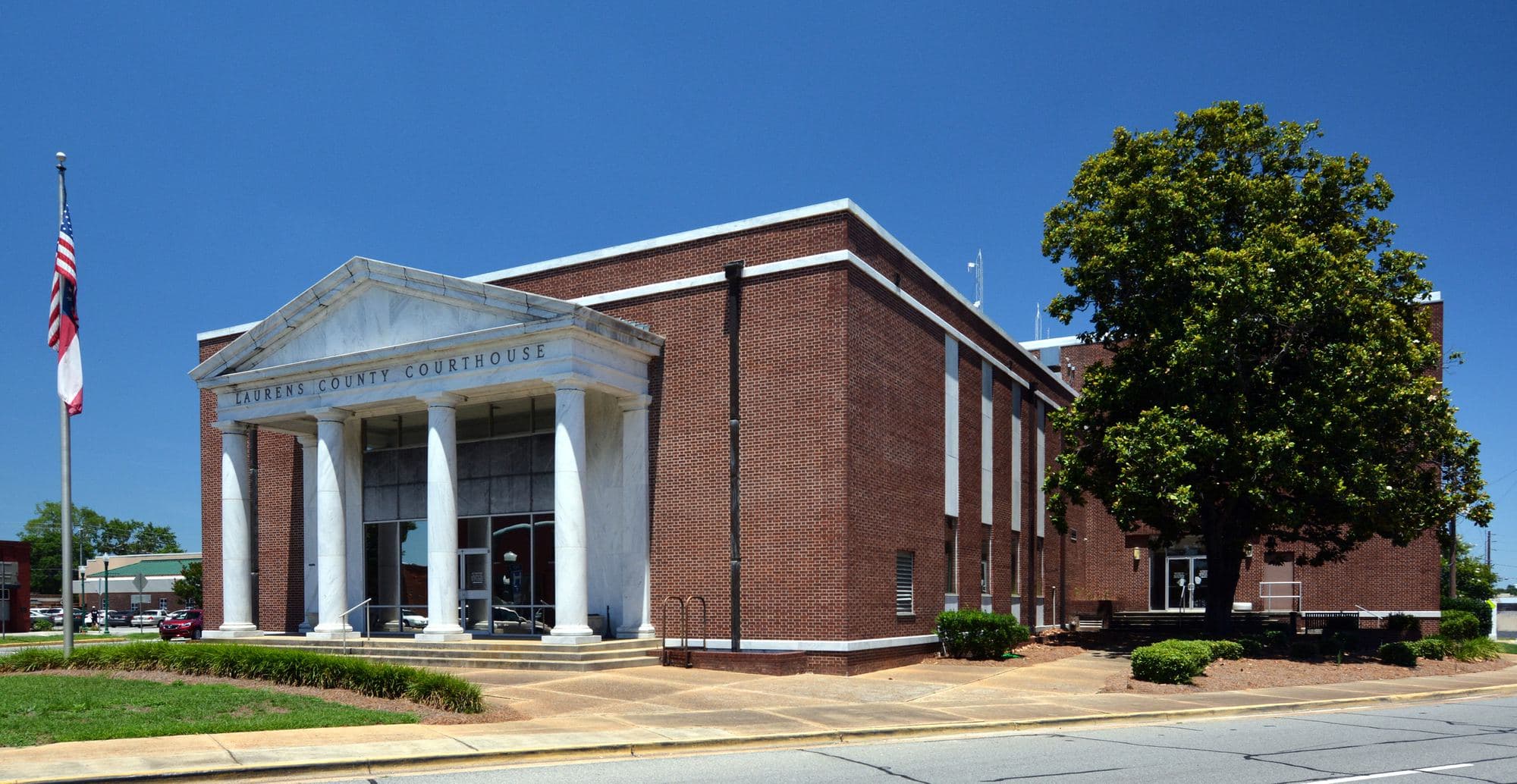
Javonnie McCoy was growing marijuana when the cops came to his rural home in Dublin, Georgia. He was caught red-handed with it. Almost a pound of it, in fact. He admitted it to police, and later he looked jurors in the eye and said, yep, it was mine. I used it as medicine.
By every measure of conventional legal thinking, this case was open and shut. The defendant admitted guilt. The evidence was overwhelming. The law was clear. Conviction should have been a formality.
The jurors let him go.
“He was minding his own business and wasn’t hurting anybody. He just doesn’t belong in prison.”
— Juror in Javonnie McCoy’s trial
During trial, Javonnie testified about being mugged and beaten into a coma 15 years earlier. He explained his migraines and depression. He told jurors that prescription Zoloft “turned me into a zombie,” but marijuana helped him eat, relax, and manage his pain.
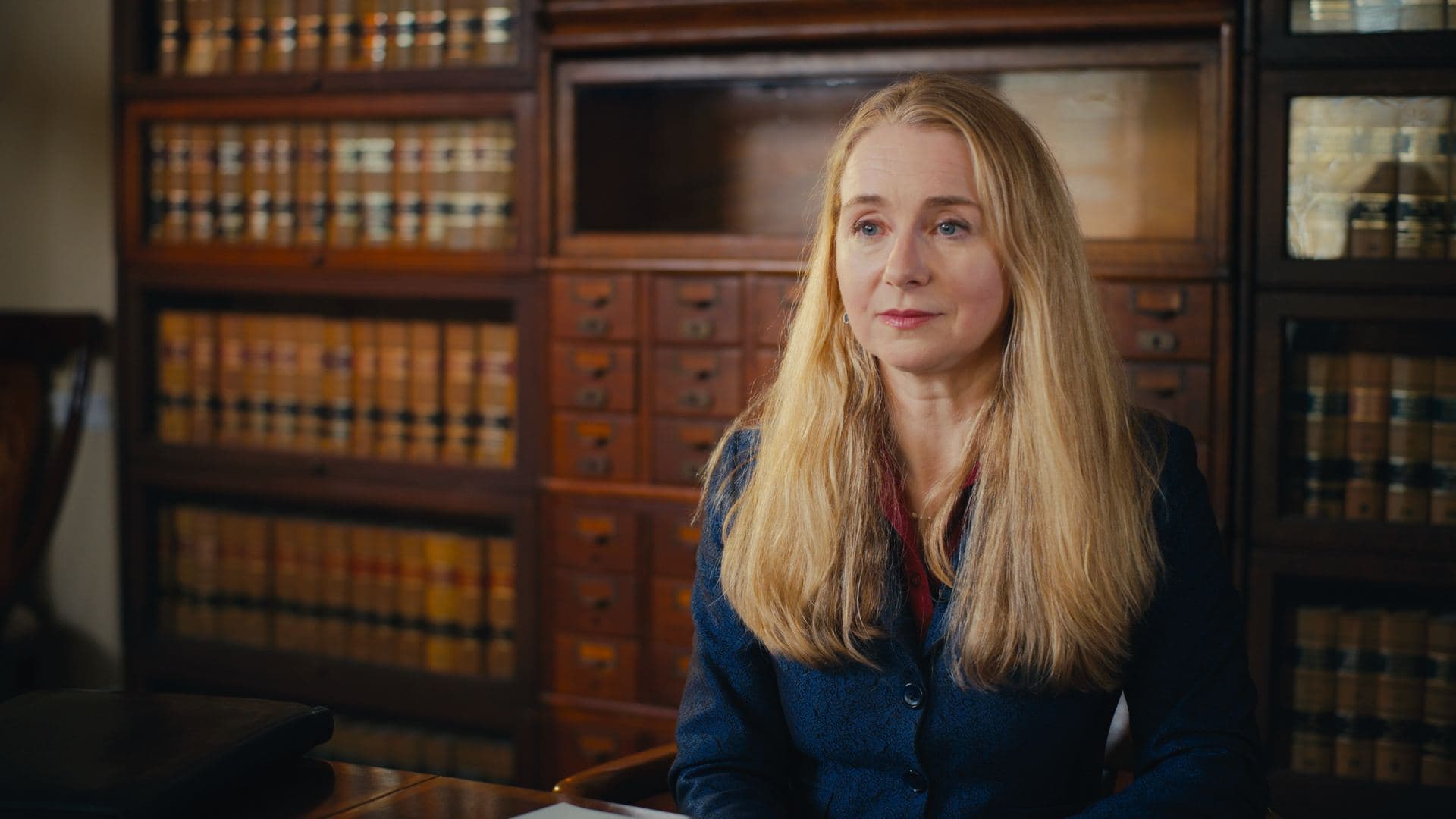
His attorney, Catherine Bernard, did something most lawyers won’t do: She told the jury they had power. The judge chided her. But the jury heard it.
“He was believable. He wasn’t trying to make money. He had it to ease his health.”
— Juror in Javonnie McCoy’s trial
Brian Loyd added: “Sometimes good things happen to good people.” Kenneth Thompson explained: “If he’s disrupting the peace and dignity of the state, well, a lot of us said he wasn’t bothering anybody.”
“In America we leave someone alone if they are not bothering somebody. A world where he needs to be dragged away by armed men and put in a cage is not a world where people want to live.”
— Catherine Bernard, Defense Attorney
This isn’t “jury nullification,” Bernard says. “It’s simply part of being a jury. The jury judges the law and the facts.”
This case demonstrates something fundamental about jury power: when twelve citizens are confronted with the full human reality of a prosecution, they sometimes conclude that justice requires something other than conviction. The law said Javonnie was guilty. The jury said he was free.
Paul St. Louis — Fairfax, Virginia, 2017
Read Full Story
The Law Student — Phoenix, Arizona, Recent
Read Full Story
David Anderson’s Client — Hampton, Virginia, Recent
Read Full Story