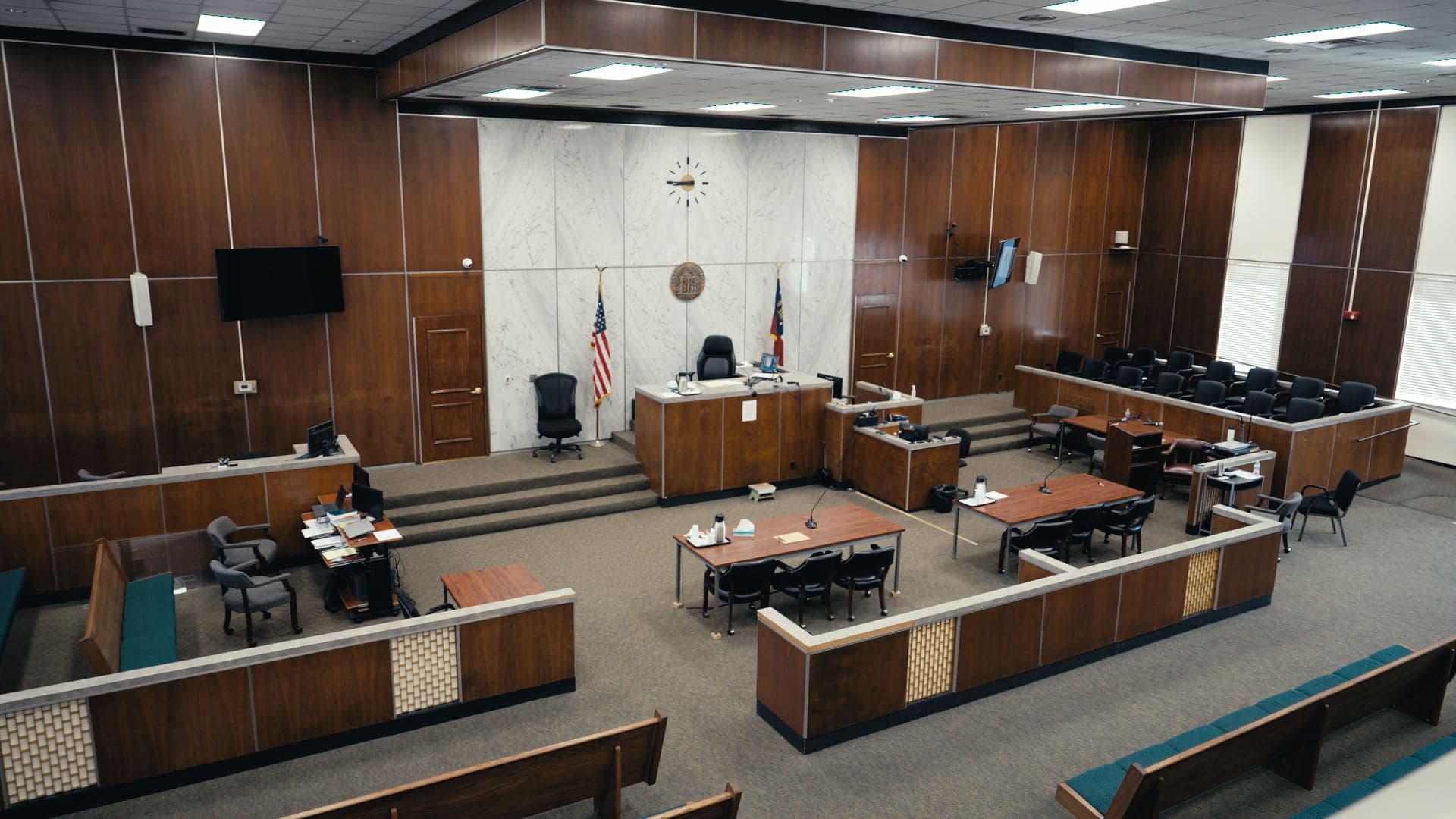
What to Do When You Serve
The power the Constitution gives you — and how to use it.
Your Four Roles as a Juror
Your role goes far beyond deciding whether the prosecution proved its case.
Community’s Conscience
You represent the values and common sense of your community, not just the letter of the law.
Showing Mercy
Even when guilt is established, you can consider whether conviction truly serves justice in this case.
Checking Government Power
You can prevent conviction when the prosecution is unjust or the application of the law seems wrong.
Preventing Injustice
You have the power to stop injustice when facts don’t add up or laws are applied unfairly.
Your Five Rights as a Juror
The Constitution recognizes these rights. Courts may not tell you about them, but they are real.
Judge the Law and the Facts
You can vote to acquit if you believe the law is unjust or being applied unjustly. Chief Justice John Jay told jurors in 1794: “You have a right to judge of both” the facts of the case and the law.
Ask About Consequences
You can ask what sentence a defendant faces. Paul’s jury convicted a first-time offender who received 40 years. “If I’d known, I would have voted differently.”
Use Your Own Judgment
Words like “reasonable,” “material,” and “substantial” in jury instructions aren’t technical definitions. They’re invitations to think for yourself.
Follow Your Conscience
Deliberations are private. Your conscience is your guide. You cannot be punished for your vote.
One Juror Can Make a Difference
It takes twelve votes to convict, but only one to prevent it.
Your Five Rights as a Juror
The Constitution recognizes these rights. Courts may not tell you about them, but they are real.
Judge the Law and the Facts
You can vote to acquit if you believe the law is unjust or being applied unjustly. Chief Justice John Jay told jurors in 1794: “You have a right to judge of both” the facts of the case and the law.
Ask About Consequences
You can ask what sentence a defendant faces. Paul’s jury convicted a first-time offender who received 40 years. “If I’d known, I would have voted differently.”
Use Your Own Judgment
Words like “reasonable,” “material,” and “substantial” in jury instructions aren’t technical definitions. They’re invitations to think for yourself.
Follow Your Conscience
Deliberations are private. Your conscience is your guide. You cannot be punished for your vote.
One Juror Can Make a Difference
It takes twelve votes to convict, but only one to prevent it.
What You Are NOT Required to Do
The system may pressure you, but the Constitution protects your independence.
Convict because the prosecution “proved its case”
You can still vote not guilty if you believe conviction would be unjust.
Follow instructions you believe are unjust
If an instruction conflicts with justice, you have the right to follow your conscience.
Ignore the consequences of your verdict
You may consider the real-world impact on the defendant, their family, and your community.
Leave your values at the courthouse door
Your moral reasoning is exactly what the system needs.
How to Exercise Your Power
From jury selection to the final vote, here’s how to put your rights into practice at every stage of a trial.

Common Questions
How can jurors talk to each other about their rights?
- Discuss the evidence thoroughly and ask questions
- Ask about the specific elements the law requires
- Focus on language in jury instructions that requires judgment
- Stand firm if you have reasonable doubt
- If the jury is split, that’s how the system is designed to work
What if the defendant is clearly guilty?
Legal guilt (the law was broken) and moral guilt (the person deserves the consequences) are not the same thing. They can overlap, but your job includes considering both.
Take Your Rights With You
Download a wallet-sized card with your key juror rights. Keep it with you when duty calls.
Download Wallet CardReal People Who Used Their Power
These jurors changed the course of justice. Their stories show why your verdict counts.

I Helped Send a Man to Prison for 40 Years
Paul served on a jury that convicted a first-time offender. The judge called the mandatory 40-year sentence “excessive” and “wrong.” Paul had a choice — he just didn’t know it.
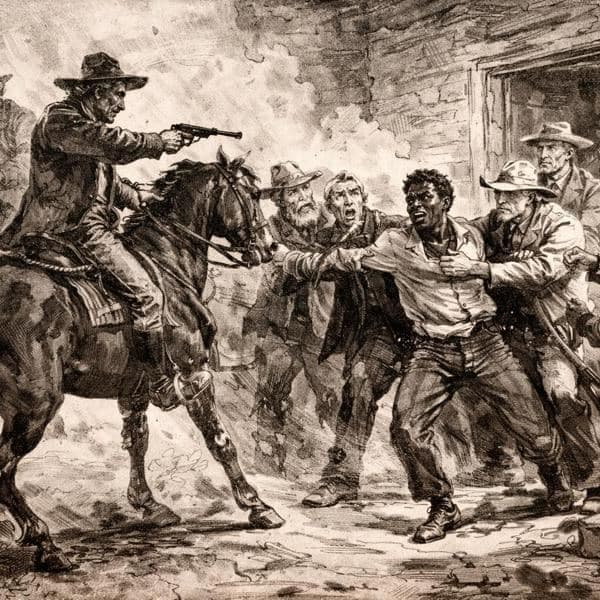
The Juries That Helped End Slavery
When the Fugitive Slave Act made it a crime to help enslaved people escape, Northern juries repeatedly refused to convict — making the law unenforceable.

The Jury That Tried to Give One Year Instead of Five
A Hampton, VA jury convicted, then tried to sentence the defendant to just one year. When told it had to be five, a juror said they would have acquitted.
Know Your Rights. Use Your Power.
The Constitution gives you the power to deliver a true verdict, one that does justice.