landmark
The Juries That Were ‘Totally at War with the Law’
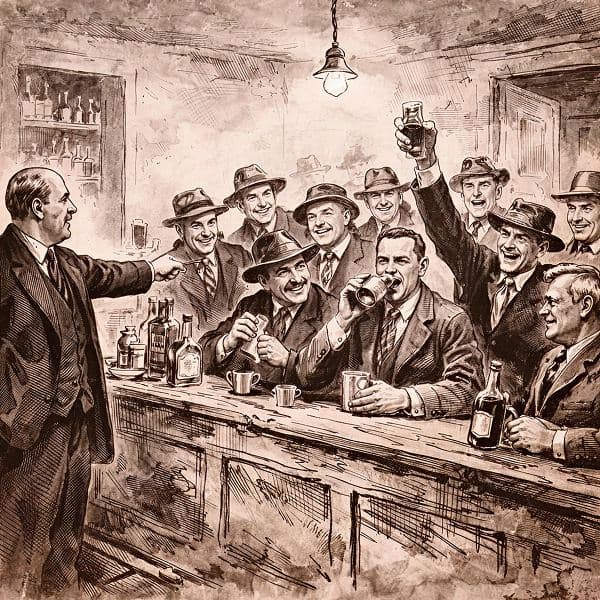
Prohibition Juries — Nationwide, 1920–1933
Read Full Storylandmark • Northern States, 1850s
The Fugitive Slave Act made it a federal crime to help escaped slaves. The government brought dozens of prosecutions. Juries in the North refused to convict. Case after case ended in acquittal or hung jury, making the law nearly unenforceable.
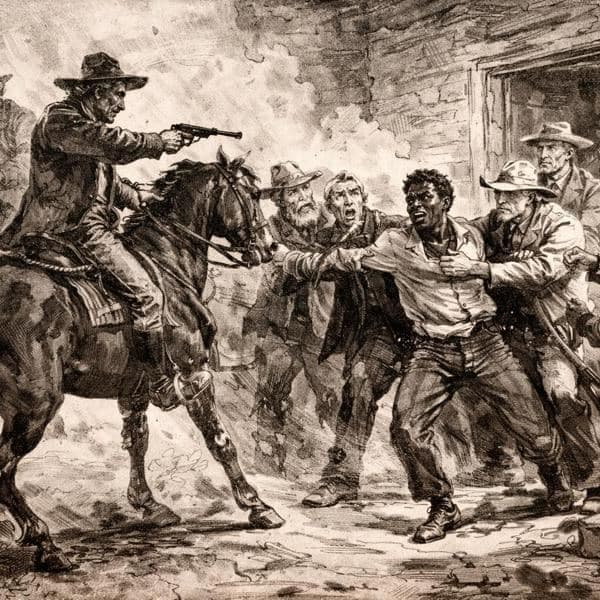
The Fugitive Slave Act made it a federal crime to help escaped slaves. The government brought dozens of prosecutions against abolitionists and ordinary citizens who aided people fleeing bondage. The law was a political compromise designed to preserve the Union by forcing the North to actively participate in the institution of slavery.
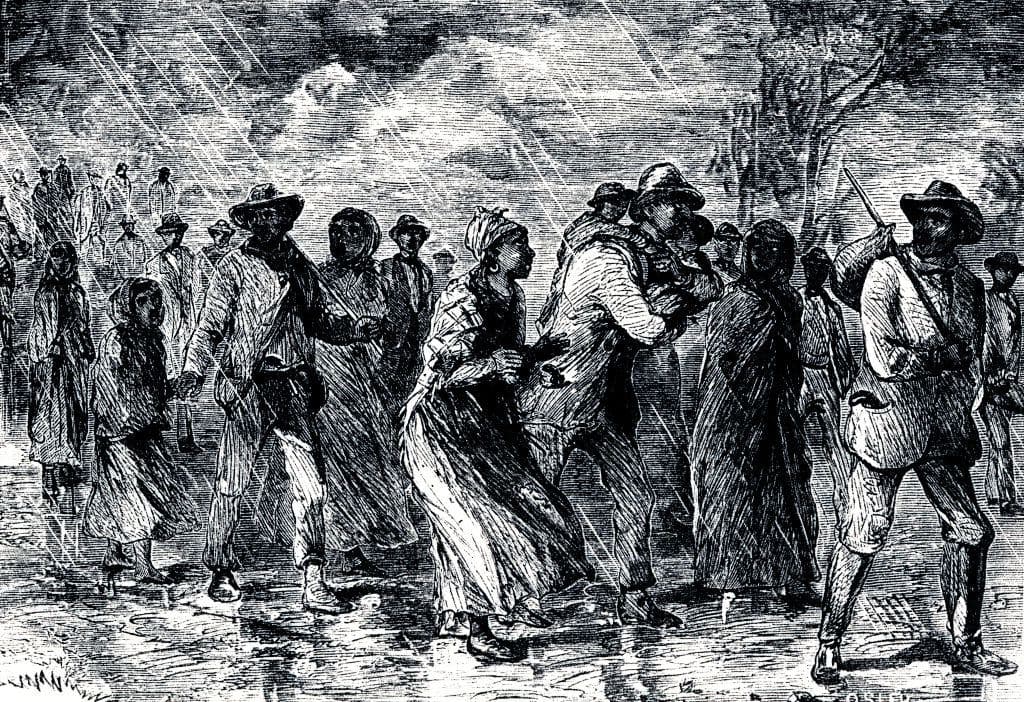
“Northern juries repeatedly acquitted people accused of helping enslaved people escape. They made the most powerful nation on earth unable to enforce its own law.”
— Historical account of Fugitive Slave Act resistance
Juries in the North refused to convict. Case after case ended in acquittal or hung jury.
In Syracuse, New York, 24 people were indicted for rescuing William “Jerry” Henry from police custody. Three of the first four trials ended in acquittals. The government dropped charges against everyone else.
In Boston, after two acquittals and several hung juries in the Shadrach Minkins rescue case, the government gave up — even though President Millard Fillmore himself had demanded prosecutions.
One legal historian noted that defense lawyers told juries “that they should judge the law as well as the facts, and that if any of them conscientiously believed that the Fugitive Slave Law was unconstitutional, it was their duty to vote for acquittal.”
Federal judges regularly admonished jurors not to vote their consciences. It didn’t work. The law was unjust, and juries refused to enforce it.
Over time, these repeated acquittals made the Fugitive Slave Act nearly impossible to enforce in the North. Prosecutors couldn’t get convictions. Citizens became emboldened to help. The law, which had been designed to crush anti-slavery sentiment, became a tool of humiliation for the slaveholders and their allies.
Ordinary citizens, sitting in jury boxes, said “No. This law is wrong. We will not help enforce it.” They couldn’t change the law directly — but they could refuse to convict. And eventually, the law changed.
Prohibition Juries — Nationwide, 1920–1933
Read Full Story
Paul St. Louis — Fairfax, Virginia, 2017
Read Full Story
Catherine Bernard & Javonnie McCoy — Dublin, Georgia, Recent
Read Full Story