modern
He Admitted Everything. The Jury Let Him Go Anyway.
Catherine Bernard & Javonnie McCoy — Dublin, Georgia, Recent
Read Full Storymodern • Fairfax, Virginia, 2017
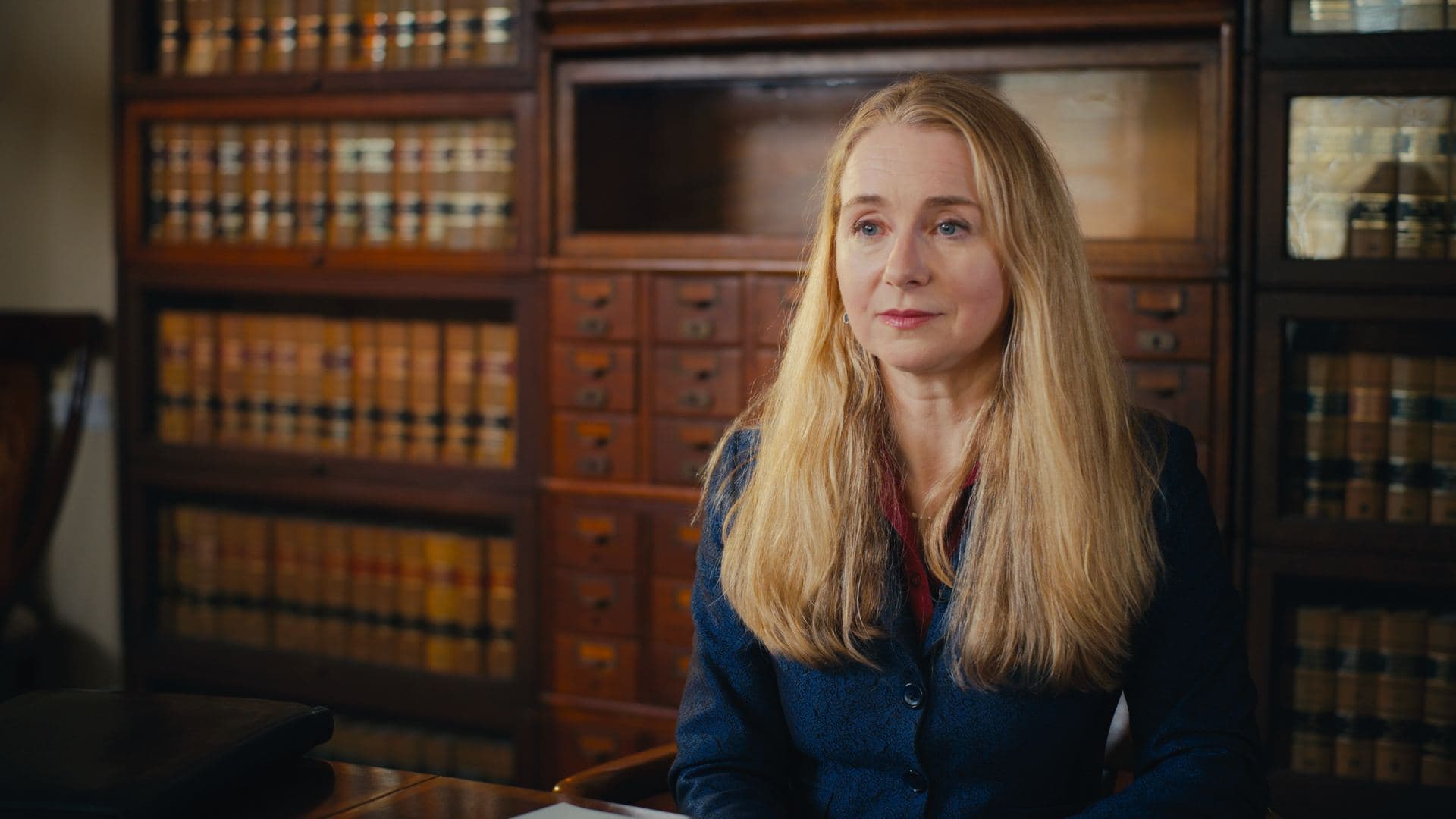
Paul served on a jury that convicted Frederick Turner of drug dealing. He later discovered that Frederick — a first-time offender — received a mandatory 40-year sentence and later died in prison. The judge called the sentence ‘excessive’ and ‘wrong,’ but couldn’t change it. Paul had a choice. He just didn’t know it.

In 2017, I was on a jury that found 37-year-old Frederick Turner guilty of dealing drugs. It wasn’t easy to arrive at this verdict, and the result of our deliberations gave us no pleasure.

A few months later, I found out the result of our verdict was worse than I expected: Frederick, a meth addict with no prior criminal convictions, received a mandatory minimum sentence of 40 years on top of the 2 years he had already served.
“I was astonished. We had no idea that we were sending someone to prison for four decades.”
— Paul St. Louis, Fairfax County Juror
Even the man who sentenced Frederick — a no-nonsense judge with more than 30 years on the bench — thought the term was excessive. He called it “wrong” and said the sentence was disproportionate. But his hands were tied. Mandatory minimums left him no choice.
Frederick died in prison. And I helped put him there.
The judge didn’t want to impose the sentence. The jurors didn’t know the sentence existed. And the defendant had no way to appeal a mandatory minimum. Every safeguard in the system had failed — not because people were cruel, but because they didn’t know what they didn’t know.
If I could go back in time, and if I knew Frederick faced 40 years, I would vote to acquit him. I could have asked what sentence would be imposed. I could have drawn my own conclusions if no one would answer. And I could have voted my conscience.
What I didn’t know — what I was never told — was that jurors have more power than judges in this situation. Jurors can refuse to convict. They can vote to acquit even if the evidence proves guilt beyond a reasonable doubt. This ancient power, known as “jury independence,” is one of the last checks against unjust laws and excessive punishment.
“I would have voted differently if I had known. I didn’t know I had that choice.”
— Paul St. Louis
Don’t make my mistake: Ask questions. Know your power. Trust your conscience. You might be the only thing standing between an injustice and a human being.
Paul’s story is not unique. Across Virginia and the nation, jurors are convicting people without understanding the consequences. Mandatory minimums turn jury verdicts into life sentences. And jurors — the one group with the power to stop it — are kept deliberately uninformed.
Catherine Bernard & Javonnie McCoy — Dublin, Georgia, Recent
Read Full Story
The Law Student — Phoenix, Arizona, Recent
Read Full Story
David Anderson’s Client — Hampton, Virginia, Recent
Read Full Story