
modern
I Helped Send a Man to Prison for 40 Years. I Had No Idea.
Paul St. Louis — Fairfax, Virginia, 2017
Read Full Storymodern • Phoenix, Arizona, Recent
A student of criminal law got called for jury duty. The case seemed absurd from the start: a man was charged with disorderly conduct and assaulting a police officer — for cursing at a public pool. Her knowledge of statutory language changed 11 minds.

A student of criminal law got called for jury duty. The case seemed absurd from the start: Two men argued at a public pool. One said the F-word at the other. The other man happened to be an off-duty police officer — who arrested the first man and pressed charges.
Prosecutors charged him with disorderly conduct AND assaulting a police officer. For cursing. At a public pool.

In the jury room, the jurors quickly acquitted the defendant of assault, agreeing that you can’t assault someone with a word. But some jurors still wanted to convict on disorderly conduct.
The law-student juror pointed out that the statute used the word “unreasonable” to invite the jury to decide what’s reasonable and what isn’t.
Some jurors were skeptical. They didn’t think they had that power. “That’s what I learned in my criminal law class,” she insisted. Someone suggested asking the judge. But another juror pointed out that might take a while. They decided to trust the law student.
They quickly realized that they themselves curse in public all the time. Why should this man go to jail for something they all do?
Verdict: Not guilty on both counts.
Words like “reasonable,” “material,” and “substantial” aren’t accidents in criminal statutes. They’re invitations for jurors to use their own judgment about what those words mean.
One law student, armed with one semester of criminal law, changed the outcome for a man facing criminal charges over a word. Imagine what every juror could do if they understood these principles before they served.
Paul St. Louis — Fairfax, Virginia, 2017
Read Full Story
Catherine Bernard & Javonnie McCoy — Dublin, Georgia, Recent
Read Full Story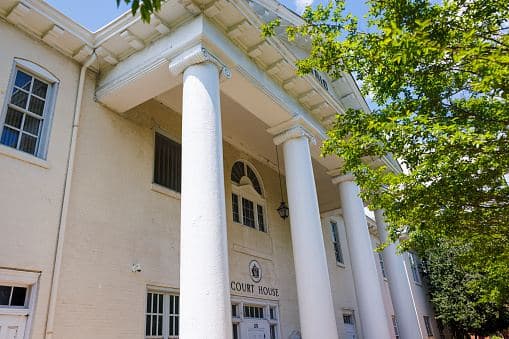
David Anderson’s Client — Hampton, Virginia, Recent
Read Full Story