modern
He Admitted Everything. The Jury Let Him Go Anyway.
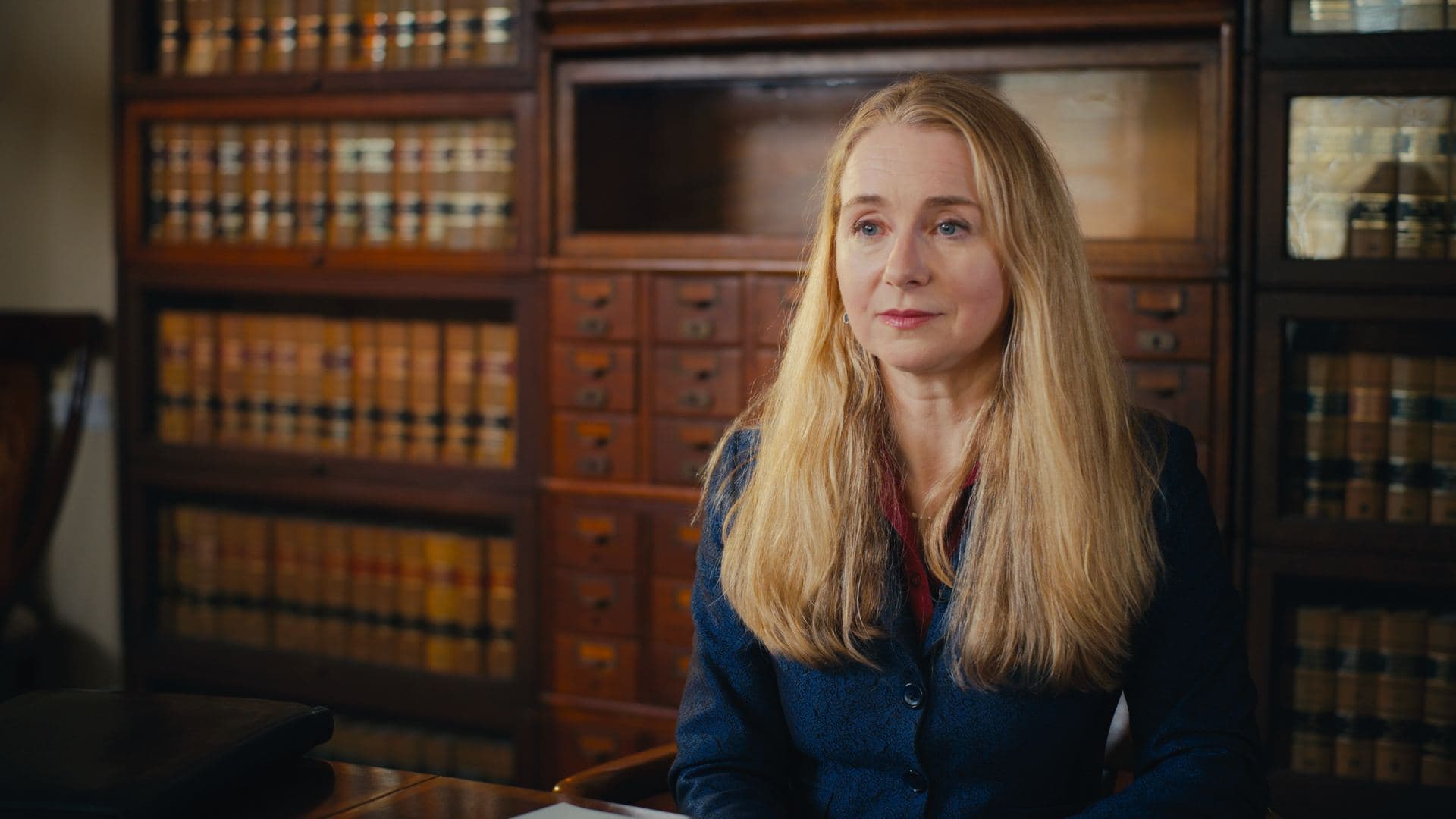
Catherine Bernard & Javonnie McCoy — Dublin, Georgia, Recent
Read Full Story
Stories of ordinary citizens who discovered extraordinary power in the jury box — and changed the course of justice.

“I helped send a man to prison for 40 years. I had no idea.”
— Paul St. Louis, Fairfax, VA Juror
Paul served on a jury that convicted Frederick Turner of drug dealing. He later discovered that Frederick — a first-time offender — received a mandatory 40-year sentence and later died in prison. The judge called the sentence ‘excessive’ and ‘wrong,’ but couldn’t change it. Paul had a choice. He just didn’t know it.
Read Full StoryCatherine Bernard & Javonnie McCoy — Dublin, Georgia, Recent
Read Full Story
The Law Student — Phoenix, Arizona, Recent
Read Full Story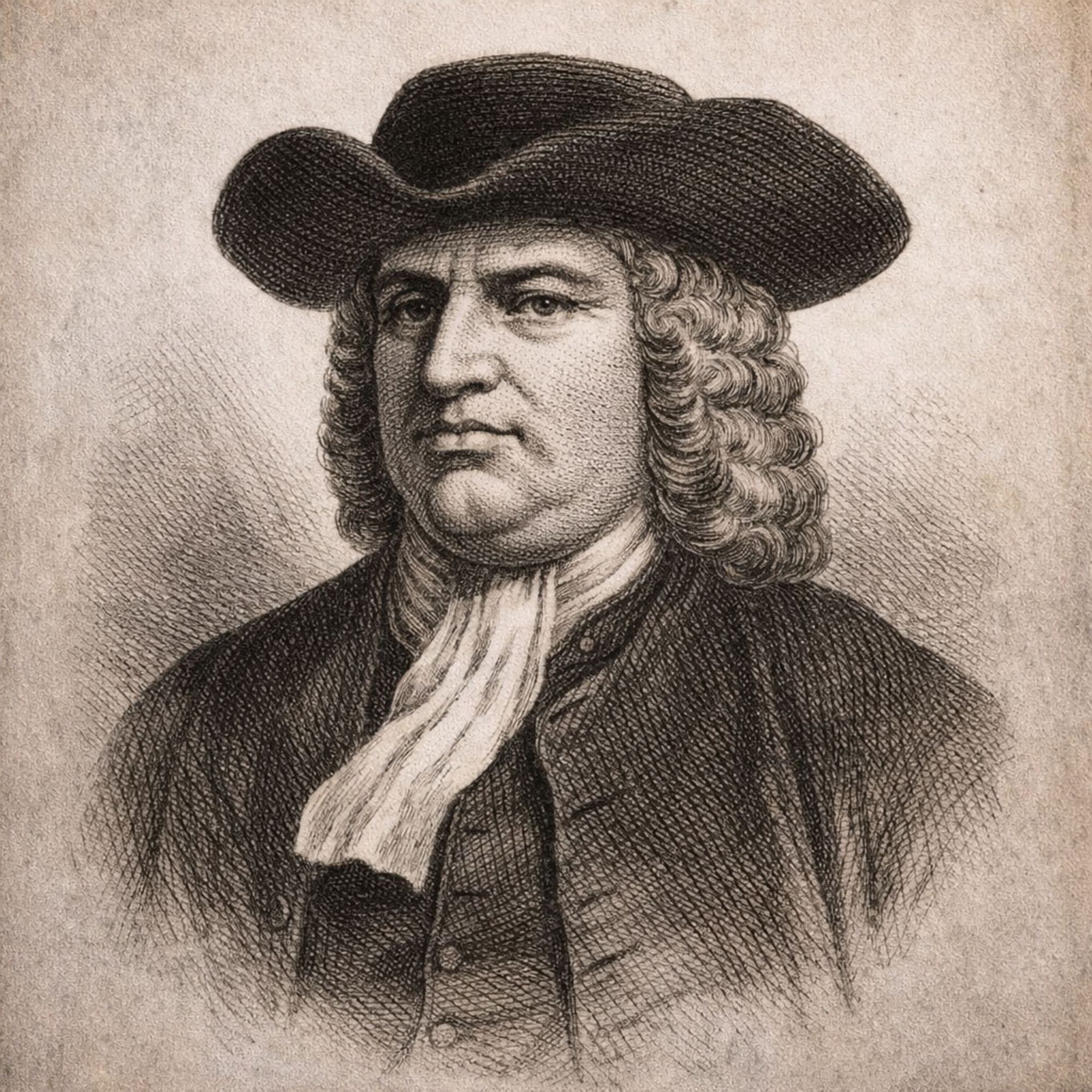
William Penn — London, England, 1670
Read Full Story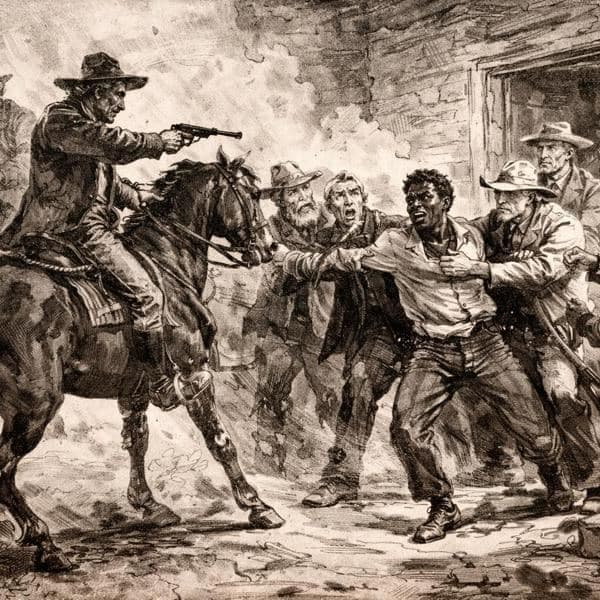
Fugitive Slave Act Juries — Northern States, 1850s
Read Full Story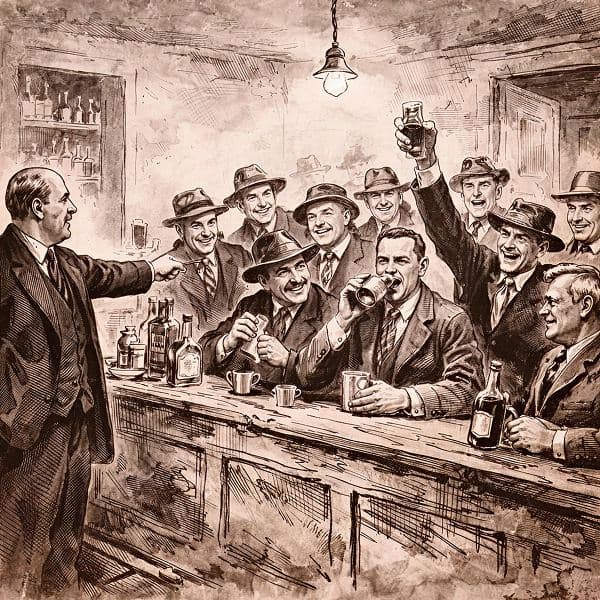
Prohibition Juries — Nationwide, 1920–1933
Read Full Story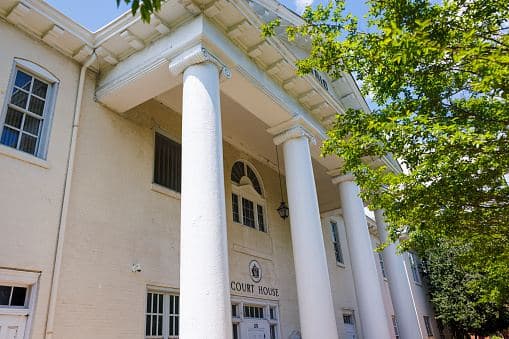
David Anderson’s Client — Hampton, Virginia, Recent
Read Full Story
From William Penn’s jury standing up to a judge in 1670, to Northern juries refusing to enforce the Fugitive Slave Act, to modern Virginia jurors grappling with mandatory sentencing, these verdicts show what happens when citizens understand their power.
Today, many people serve on juries believing they have no choice but to convict if the evidence proves guilt. That knowledge gap is not accidental. When jurors understand their power, unjust prosecutions fail and ordinary people discover they are not powerless.
Learn Your RightsJury service affects real people in real ways. Understanding your rights before you serve can make all the difference. Every story on this page began with someone who didn’t know what they could do, sometimes, until it was too late.
What Jurors Can DoFrom William Penn’s jury standing up to a judge in 1670, to Northern juries refusing to enforce the Fugitive Slave Act, to modern Virginia jurors grappling with mandatory sentencing, these verdicts show what happens when citizens understand their power.
Today, many people serve on juries believing they have no choice but to convict if the evidence proves guilt. That knowledge gap is not accidental. When jurors understand their power, unjust prosecutions fail and ordinary people discover they are not powerless.
Learn Your RightsJury service affects real people in real ways. Understanding your rights before you serve can make all the difference.
Every story on this page began with someone who didn’t know what they could do, sometimes, until it was too late. Don’t let that be you.
What Jurors Can Do