
modern
I Helped Send a Man to Prison for 40 Years. I Had No Idea.
Paul St. Louis — Fairfax, Virginia, 2017
Read Full Storyhistorical • London, England, 1670
William Penn — who would later found Pennsylvania — was a young Quaker preacher arrested for preaching to a crowd. The law was clear. The evidence was overwhelming. The judge demanded conviction. But one juror, Edward Bushel, refused. Their defiance became a turning point in the history of rights.
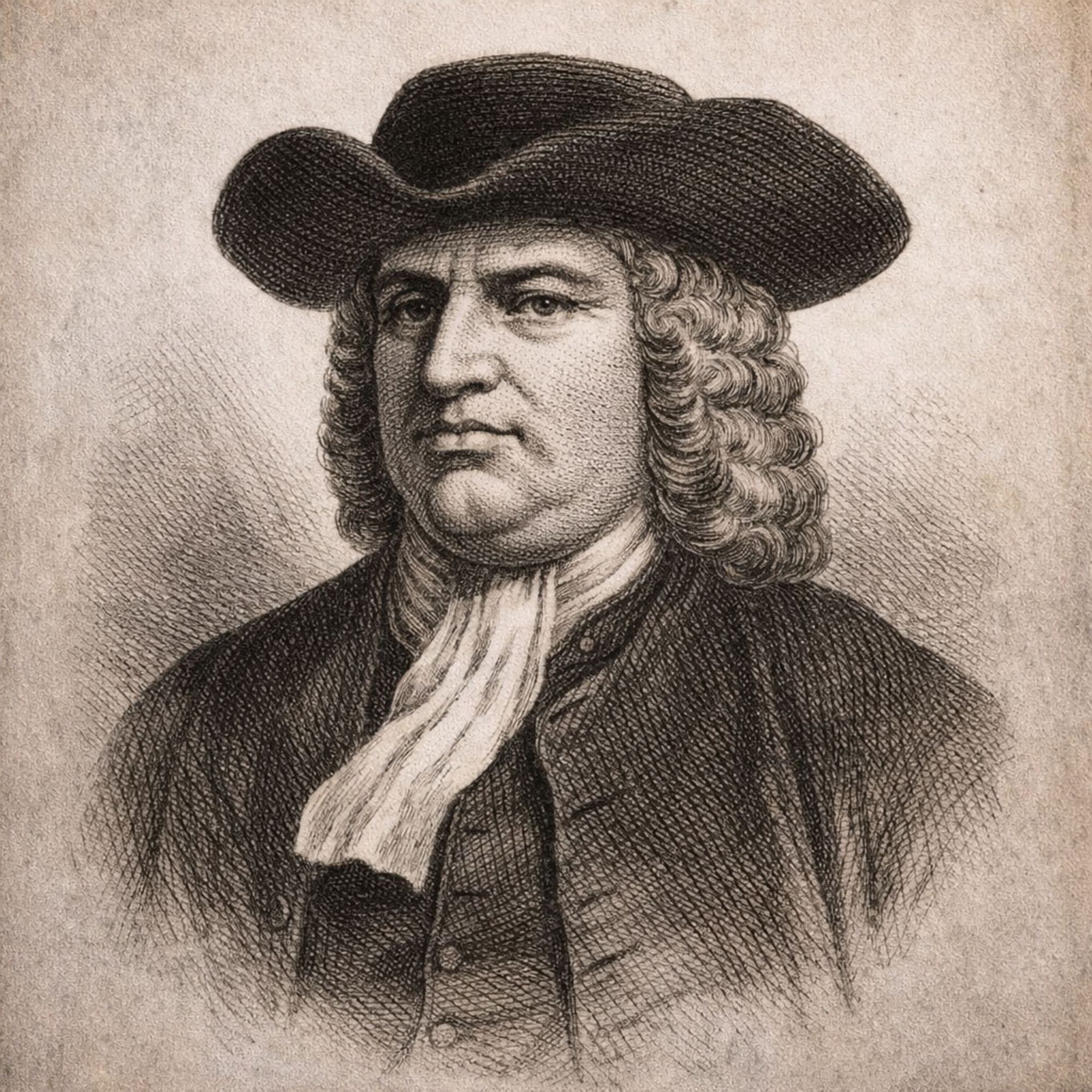
William Penn — who would later found Pennsylvania — was a young Quaker preacher arrested for the crime of preaching to a crowd in 1670. In Restoration England, worshiping outside the Church of England was a criminal offense. The law was clear. The evidence was overwhelming. The judge demanded conviction.
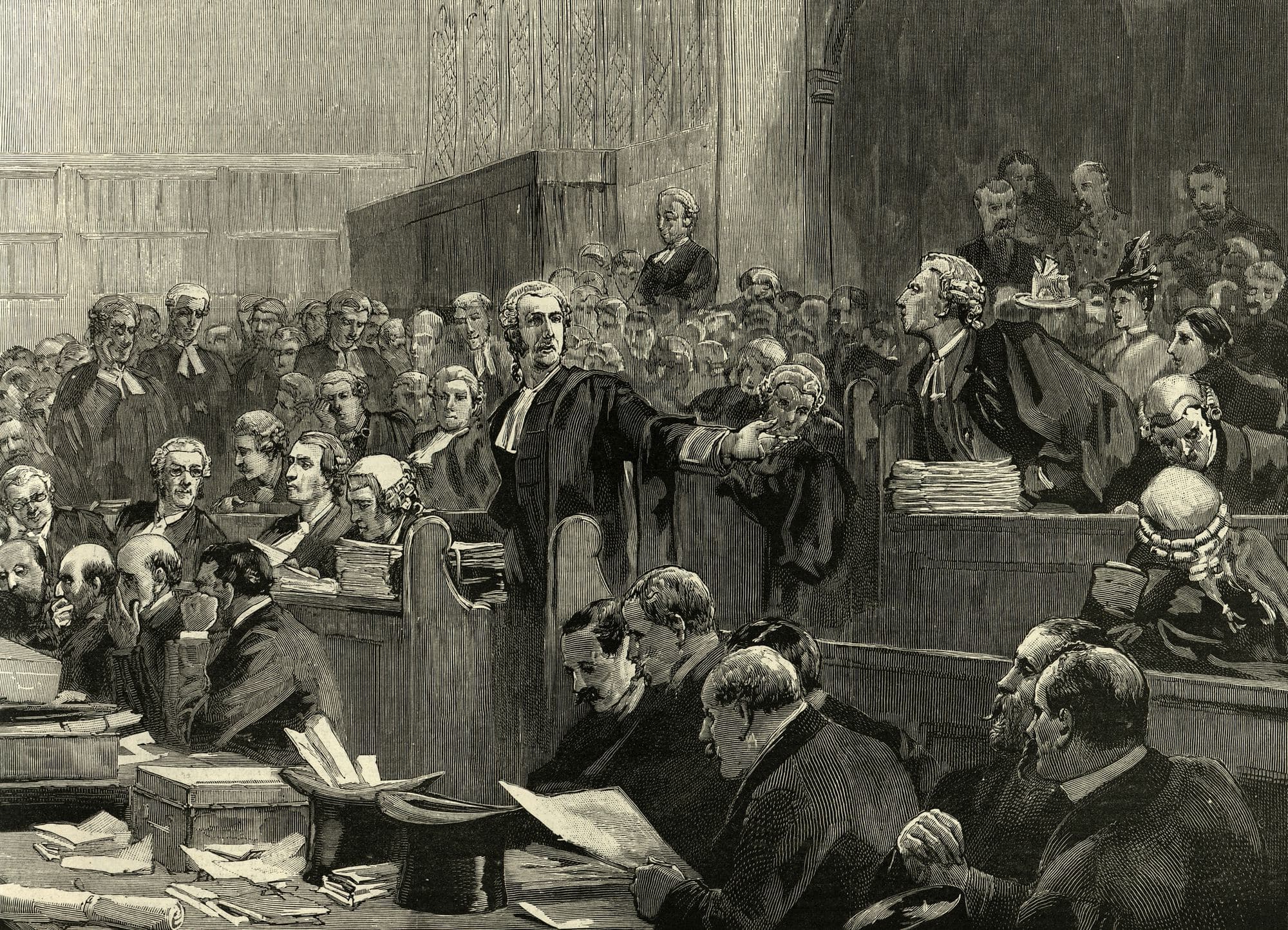
“A judge ordered jurors imprisoned for not returning a guilty verdict. They refused to bow. Their defiance became a turning point in the history of human rights.”
— Historical account of Bushel’s Case, 1670
But one juror — Edward Bushel — refused. The jury voted not guilty. They refused to convict Penn for worshiping according to his conscience.
The judge was enraged. He locked the jury up without food, water, or heat. He threatened them with fines and prison. He rejected their verdict and demanded they deliberate again.
Bushel held firm: Not guilty.
The judge fined the jurors and imprisoned them for contempt. But Bushel challenged his imprisonment. Chief Justice John Vaughan ruled that juries cannot be punished for their verdicts — establishing the foundational principle of jury independence in what became known as Bushel’s Case.
The American Founders knew this case well. It’s why they insisted on jury trials in the Sixth Amendment. When they wrote the Constitution, they remembered jurors who stood up to a judge — and they understood that juries were the last line of defense against tyranny.
More than 350 years later, the principle established by Penn’s jury remains the foundation of jury independence: no juror can be punished for their verdict. Every time a juror votes their conscience, they stand on ground that Edward Bushel and his fellow jurors secured from a prison cell in 1670.
Paul St. Louis — Fairfax, Virginia, 2017
Read Full Story
Catherine Bernard & Javonnie McCoy — Dublin, Georgia, Recent
Read Full Story
The Law Student — Phoenix, Arizona, Recent
Read Full Story