landmark
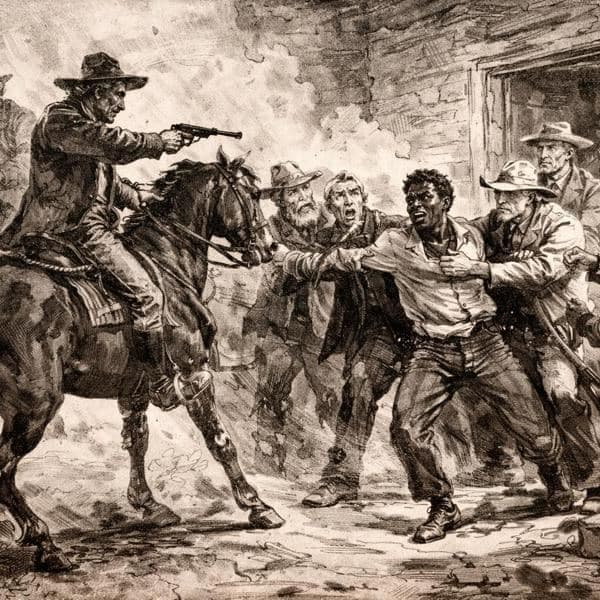
The Juries That Helped End Slavery
Fugitive Slave Act Juries — Northern States, 1850s
Read Full Storylandmark • Nationwide, 1920–1933
When America banned alcohol in 1920, the government tried to enforce the new law. But juries wouldn’t cooperate. In some areas, 60% of prosecutions ended in acquittals. Nationally, the acquittal rate was 26%. Historians called it “the most intense example of jury revolt in recent history.”
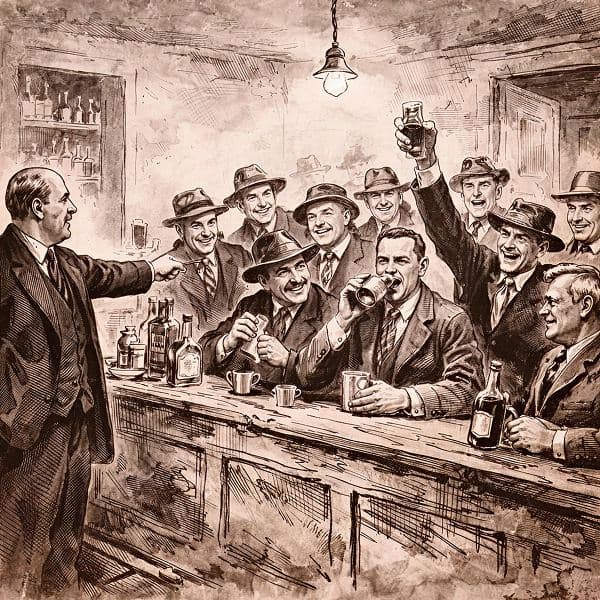
When America banned alcohol in 1920, the government tried to enforce the new law. The 18th Amendment had made the production and sale of alcohol illegal. Federal agents were trained and armed to enforce it. The full weight of the federal government stood behind what supporters called “The Noble Experiment.”
But juries wouldn’t cooperate.
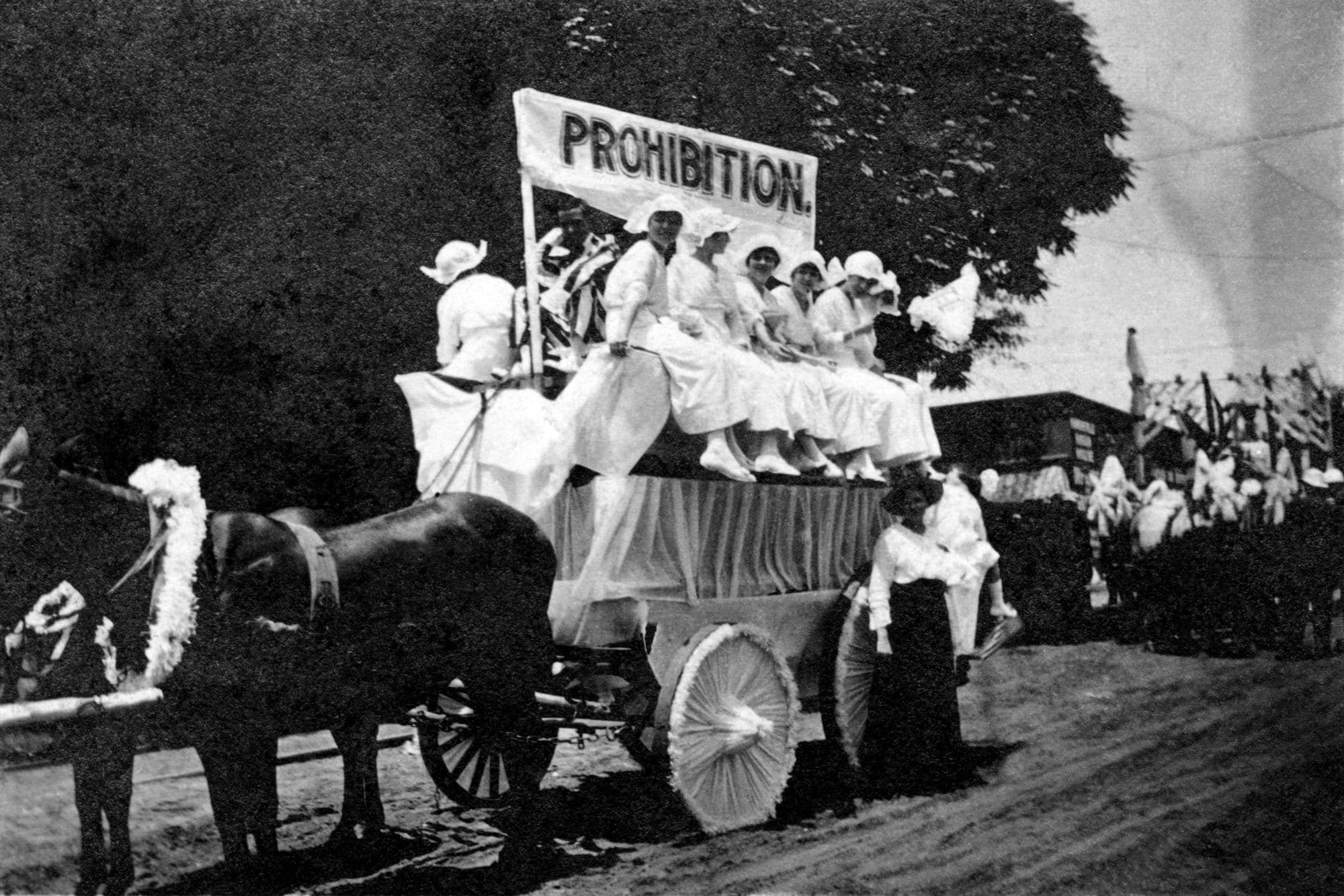
As Prohibition cases came to trial across the country, juries simply refused to convict. In some areas, 60% of prosecutions ended in acquittals. Nationally in 1929–1930, the acquittal rate in federal court was 26%. Historians called Prohibition “the most intense example of jury revolt in recent history.”
“Juries were ‘totally at war with the law.’”
— Contemporary account of Prohibition-era jury trials
Legal scholar John Henry Wigmore explained during Prohibition: “Law and justice are from time to time inevitably in conflict… The jury, in the privacy of its retirement, adjusts the general rule of law to the justice of the particular case. Thus the odium of inflexible rules of law is avoided, and popular satisfaction is preserved.”
The impact was enormous. Prosecutors couldn’t get convictions. The law became unenforceable. Citizens lost respect for the law because they saw it as unjust. The government’s authority eroded — not through revolution or protest, but through the quiet, steady refusal of twelve citizens at a time to convict their neighbors.
If juries had enforced Prohibition, it might never have been repealed. Because juries refused to convict, the law became unenforceable. By 1933, the Twenty-First Amendment repealed Prohibition — the only constitutional amendment ever to repeal another.
Jury independence changed the law. Twelve citizens at a time, case by case, verdict by verdict, they made the law unenforceable — and the law died.
Fugitive Slave Act Juries — Northern States, 1850s
Read Full Story
Paul St. Louis — Fairfax, Virginia, 2017
Read Full Story
Catherine Bernard & Javonnie McCoy — Dublin, Georgia, Recent
Read Full Story